Ahead of the PUL/WUL All-Star Game, we're comparing our All-Star picks to the official selection! Plus, recapping the leagues' end of year awards!
August 28, 2026 by Rhea Patney and Emilia Scheemaker in Opinion, Recap
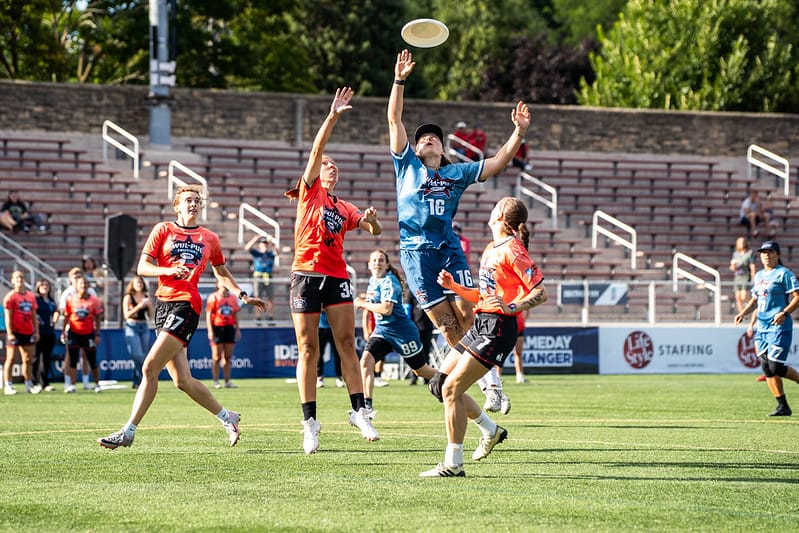
Some of the brightest stars across the women’s semi-pro leagues will face off on one field tonight in the second annual WUL/PUL All-Star Game. Held during the UFA’s Championship Weekend, last year’s inaugural match saw the PUL win by a dominating margin. With notably different rosters than a year ago and a few cross-league transplants, it’s sure to be a highlight-filled event!
All-Stars
PUL
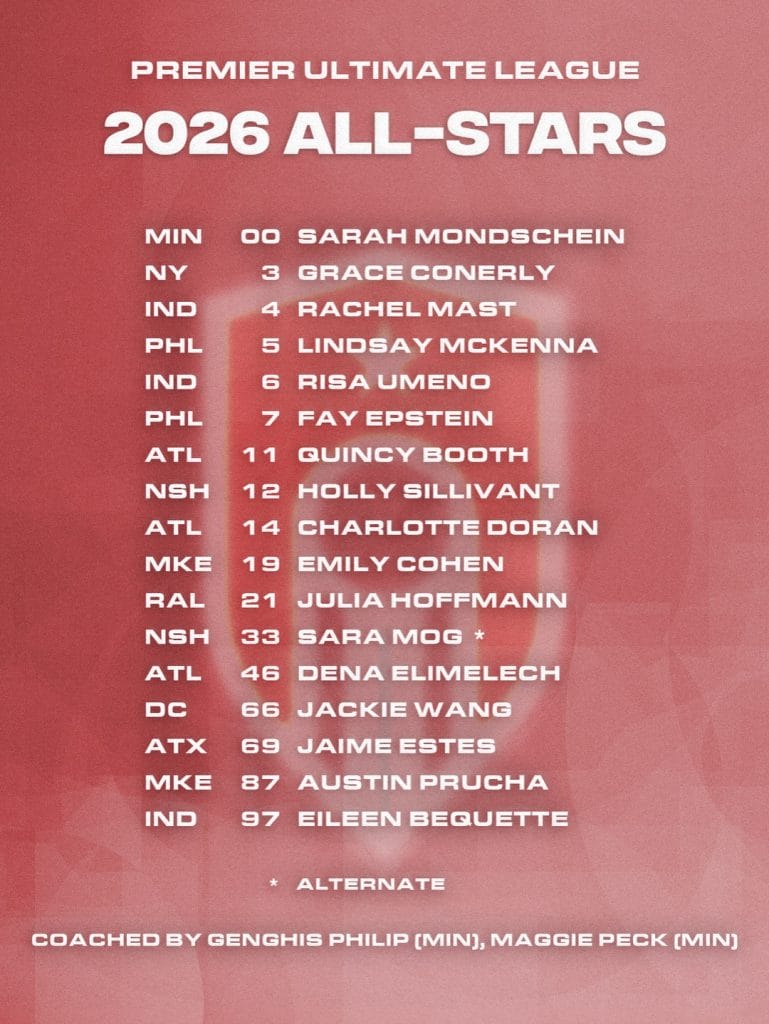
How My Picks Compared to the Official Roster
The PUL All-Star selection process is a little different from what you might see in other leagues. Rather than combining selections from coaches, media, and fan voting, each PUL team selects one representative, with fans voting on the final six spots. With that in mind, I’ll take it. Of the 16 players selected to the 2026 PUL All-Star roster, 13 appeared somewhere in my predictions: Sarah Mondschein, Grace Conerly, Rachel Mast, Lindsay McKenna, Fay Epstein, Quincy Booth, Holly Sillivant, Charlotte Doran, Emily Cohen, Julia Hoffmann, Dena Elimelech, Jaime Estes, and Eileen Bequette. Seven of those were players I called locks, while the rest were players I had identified as honorable mentions or strong candidates.
You can read all of my original predictions for yourself, but for the sake of brevity, here are the three players who made the All-Star roster that I didn’t predict. All three bring a similar brand of D-line grit and veteran leadership, which offers a pretty good look at what teams value when selecting their All-Star representatives.
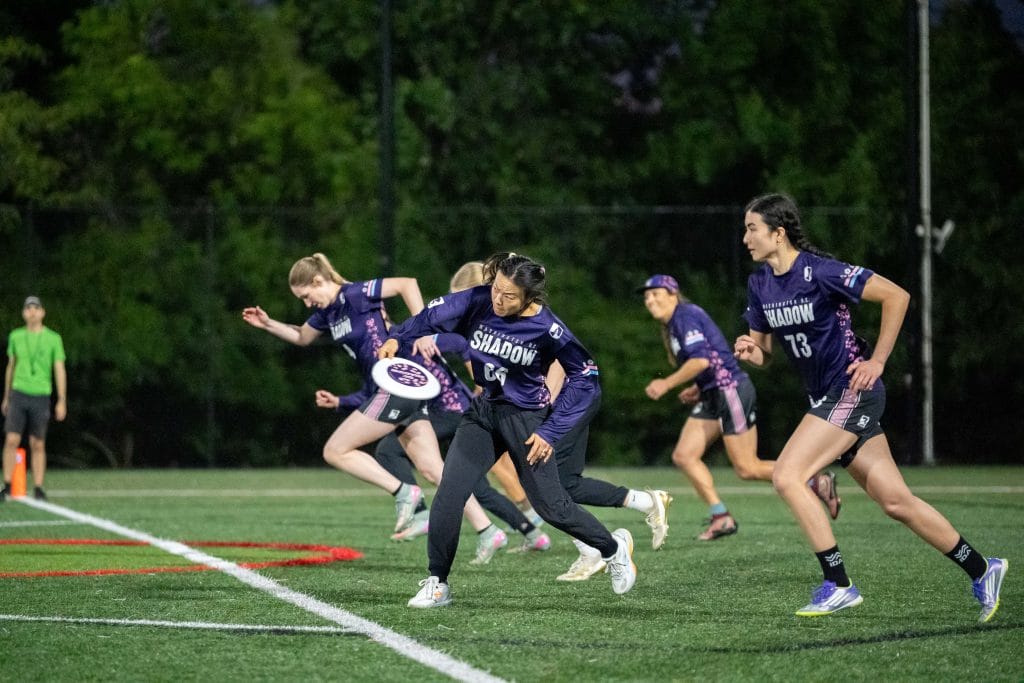
Jackie Wang, DC Shadow
I somehow managed to name four different DC players in my predictions and still didn’t put Jackie Wang on the list, which is definitely my mistake. Her four goals, nine assists, and four blocks don’t jump off the page, but she was a consistent D-line grinder and vital handler who made some incredible layout blocks. In her fourth year with DC and second championship, her leadership and poise made her a deserving pick.
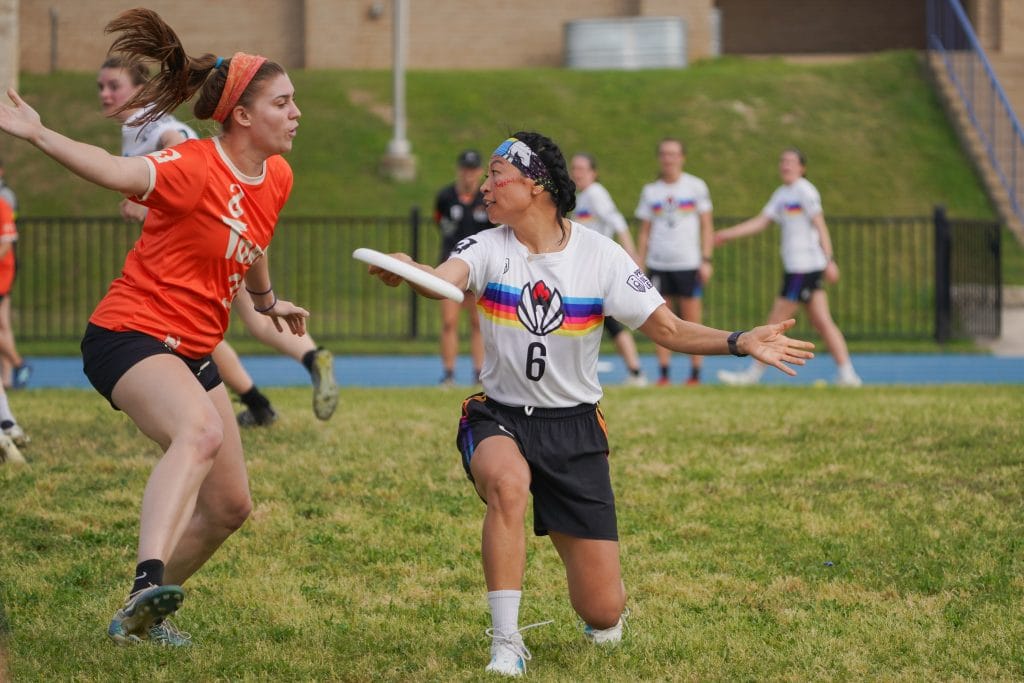
Risa Umeno, Indy Red
Another four-year PUL veteran who didn’t exactly stuff the stat sheet this season (one goal, two assists, two blocks), but that doesn’t tell the whole story. Umeno is a D-line warrior with incredible fitness who seems to never get tired, working every point. She brings leadership and poise, can bid out of nowhere to make an impossible catch, and is a talented handler. As Indy’s team captain, she brought all of those intangibles to a team that made it to Championship Weekend.
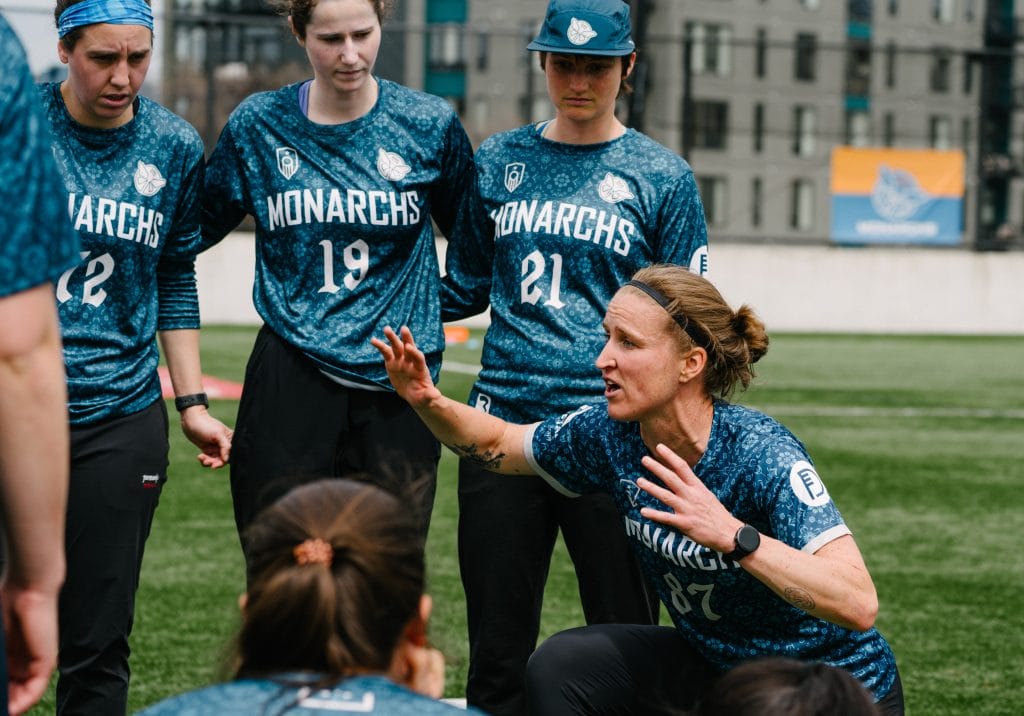
Austin Prucha, Milwaukee Monarchs
This was honestly a major miss for me. Prucha is a Monarchs staple, now in her sixth year with the team, and another D-line warrior who does a little bit of everything. She finished with four goals, seven assists, and five blocks this season. She can sky, make layout blocks, and has a brilliant defensive mind with a real nose for angles. I definitely should have had her on my list, and fans are sure to be thrilled she’s on the team.
WUL
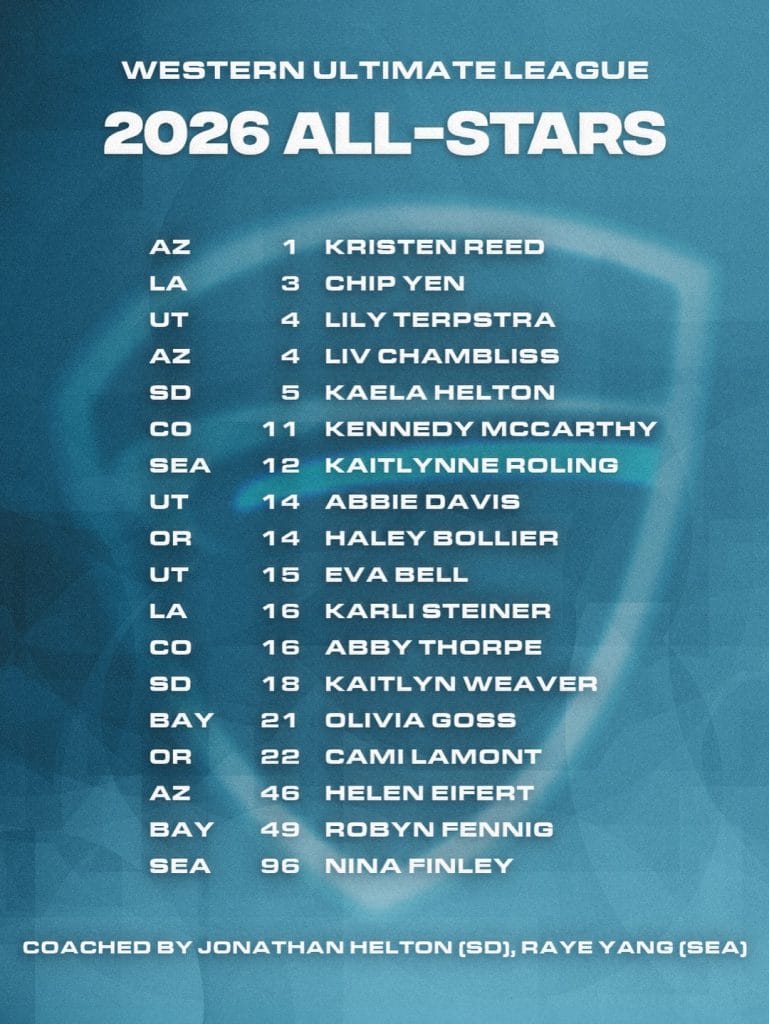
How My Picks Compared to the Official Roster
With 11 of 18 predictions coming true, we’ll take a brief look at the seven we didn’t talk about in the last article.
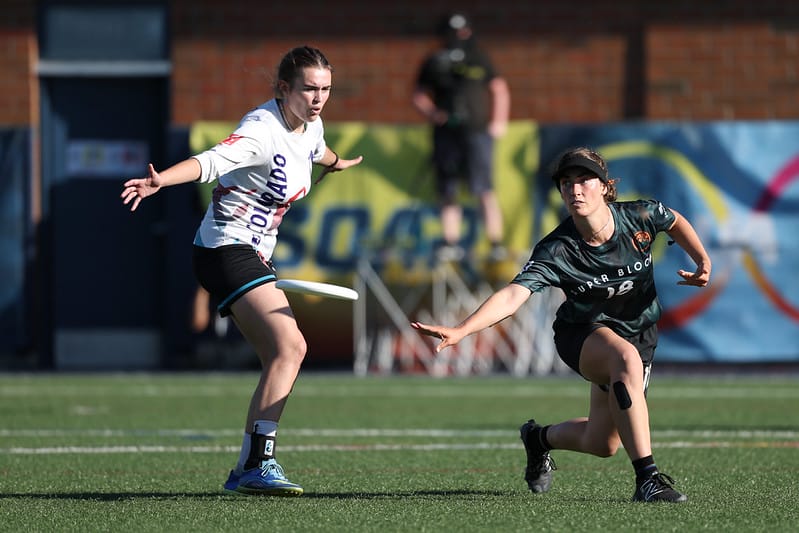
Starting with San Diego Super Bloom, we have Kaela Helton and Kaitlyn Weaver. While Helton did get some airtime in the last article, Weaver was left off the list. With a team as stocked with stars as Super Bloom, it’s an easy mistake to make. Kaitlyn Weaver showed up on the stat sheet, pulling in goal after goal. While Super Bloom had a habit of spreading the scores across the roster this season, Weaver was always a sure bet.
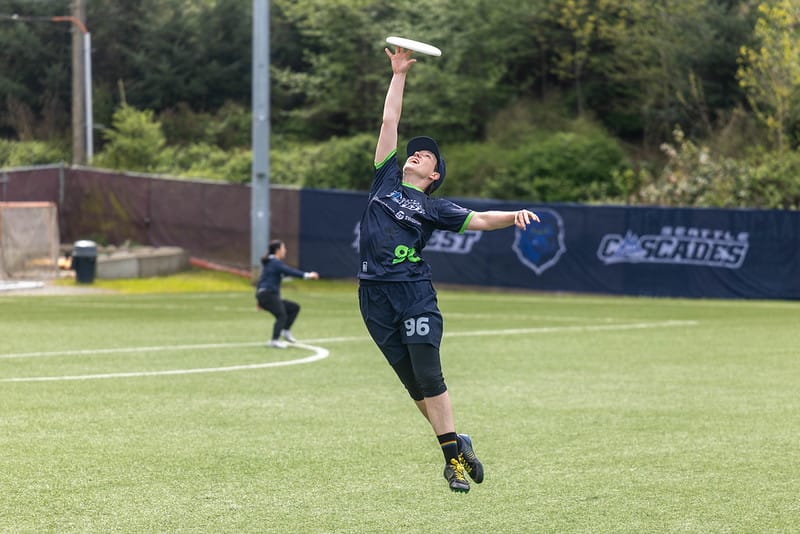
Kaitlynne Roling and Nina Finley may have been overshadowed by their Tempest teammates reeling in MVP and OPotY awards, but that doesn’t mean they had any less impact. Roling had 19 assists in 2026 and Finley finished in the 92nd percentile for completions. This year’s All-Star game will be a chance for these teammates to really shine.
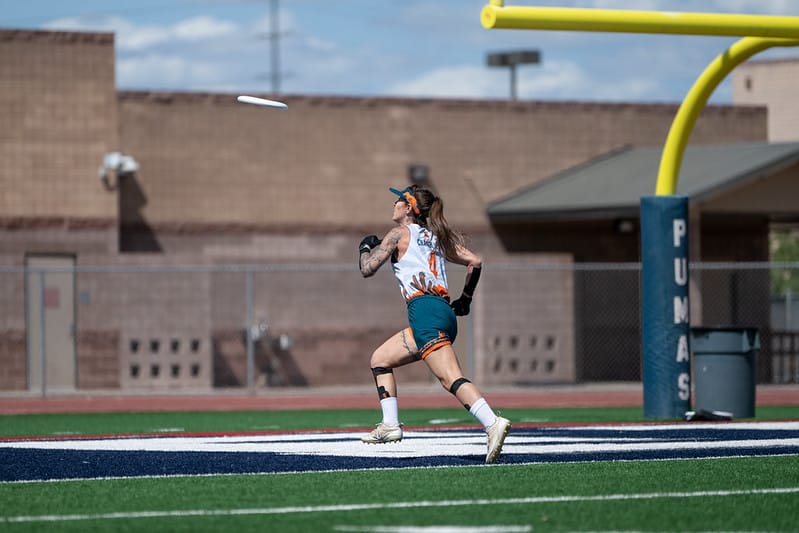
Liv Chambliss is a cutter with a motor. On a Sidewinders team that needed legs that never quit, Chambliss was a consistent presence grinding out unders and finding space.
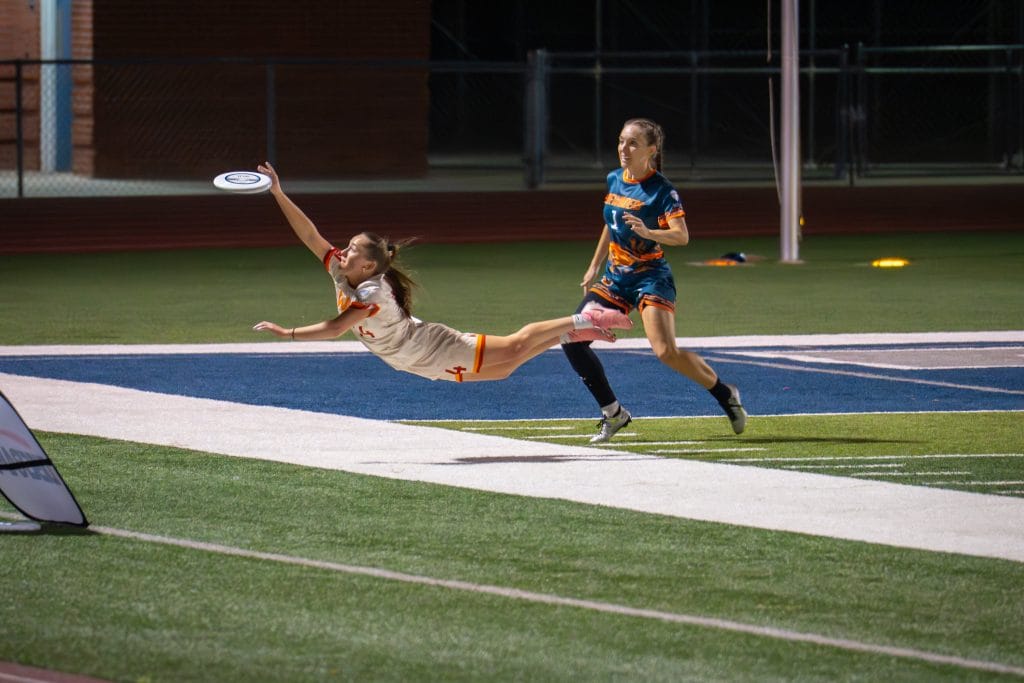
Abbie Davis strolled through the 2026 season and into the end zone, completing the year with 12 goals, six assists, and six blocks. The Utah Wild had a tough rebuilding year in 2026, but standouts like Davis kept fans’ attention on the field. Her ability to get open even against tough defense and reel in the disc earned her the spot on this year’s All-Star team. If there’s anything we could expect from Davis in this 2026 season, it was consistent production.
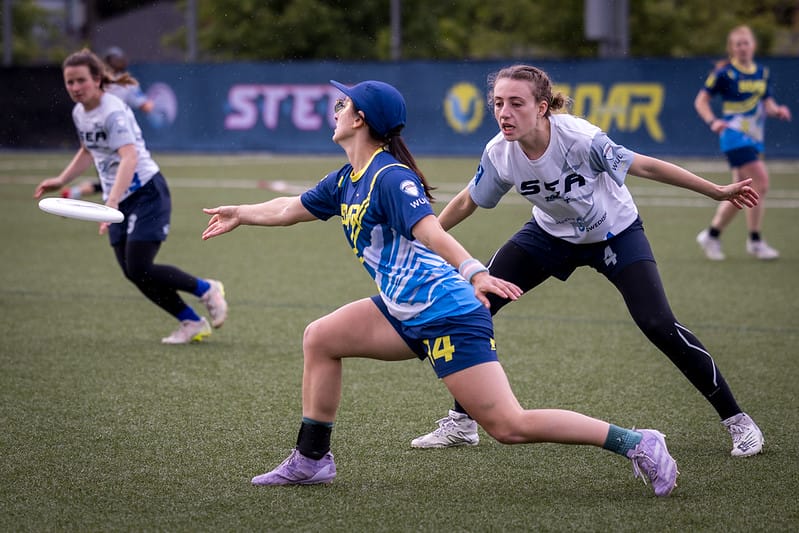
Haley Bollier was in the 96th percentile for receiving yards this year. For this rising Oregon Soar team, that was indispensable. She finished the year with seven goals, six assists, and five blocks. Bollier has really settled into her role as an offensive cutter for Soar playing 93 offensive points this season. It’s the confidence to play hard and the skill to get the job done that has earned her the spot on this year’s All-Star team.
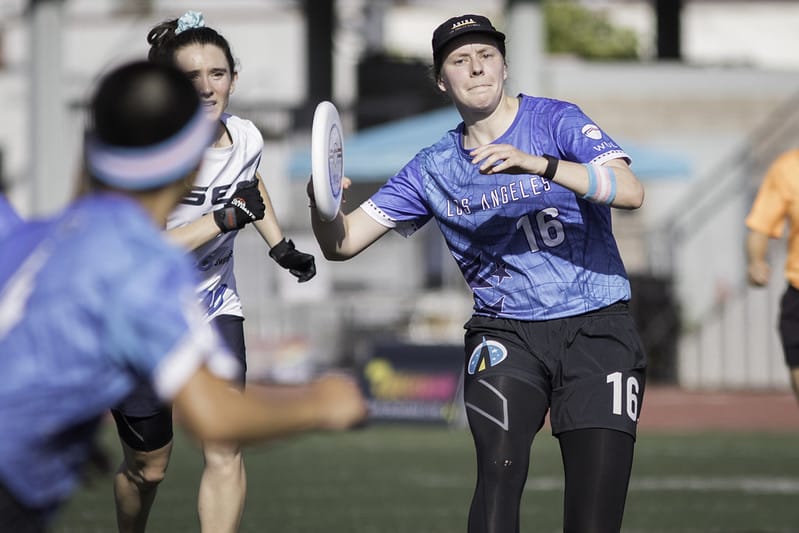
Karli Steiner put up an incredible three goals, 22 assists, and seven blocks for the LA Astra. Poise and control in the backfield and the throws to attack small spaces is what you’ll find in Steiner’s game. She ranked in the 98th percentile for both assists and throwing yards this year and the 96th percentile for completions. Steiner is a handler that can distribute the disc, control the play, and hold on to possession. All those things have earned her a spot on her first All-Star team.
Awards
PUL
| Award | Recipient | Team |
|---|---|---|
| Most Valuable Player | Lindsay McKenna | Philadelphia Surge |
| Offensive Player of the Year | Grace Maroon | Philadelphia Surge |
| Defensive Player of the Year | Sarah Mondschein | Minnesota Strike |
| Coaching Staff of the Year | David Maniloff, John Agan, Layne Lyung, and Ty Alderhold | DC Shadow |
Lindsay McKenna – The Swiss Army Knife
The easiest way to understand Lindsay McKenna’s value to Philadelphia Surge is to imagine the offense without her. Take away her ability to handle, and Surge lose a primary option in the backfield. Take away her ability to shoot deep, and defenders have less reason to worry about the space downfield. Take away her ability to finish even the most impossible score, and a number of possessions end differently. McKenna gave Surge answers wherever they needed them, and that versatility was a defining part of an undefeated regular season. She led the team in goals (13), assists (17) and plus-minus (+21), while also finishing third in blocks (6) and second in touches (168). She finished the season with career highs across every statistical category. Remove her from the equation, and Surge look fundamentally different. That is what made her the PUL’s most valuable player.
Grace Maroon – The Connector
Philadelphia Surge had no shortage of offensive firepower this season. What made that offense so difficult to stop was how consistently Maroon connected its different pieces. She could help initiate a possession, keep it moving through the middle and make the play that extended it when the offense began to stall. And of course, she had no trouble punching in the score. That consistency was a major part of Surge’s undefeated regular season, and it made Maroon the engine of one of the PUL’s best offenses. She finished third on the team in goals (10), fourth in assists (9) and second in touches (168), while turning the disc over just four times.
Sarah Mondschein – The No-Fly Zone
When teams played against the Minnesota Strike, throwing deep came with a pretty significant risk: Sarah Mondschein might be waiting for it. Mondschein made the air one of the toughest places to play against her all season, leading the PUL with 17 blocks. Her ability to take away those opportunities gave Strike another way to dictate what opponents could do with the disc. But her value on the D-line went beyond winning the turnover. She was one of Minnesota’s steadiest players with the disc, consistently making the simple plays that kept possessions moving and turning defensive stops into sustained offense. She finished her fourth PUL season with career highs in blocks (17), assists (8) and touches (146), putting together a season that showcased both her defensive impact and her reliability with the disc.
D.C. Shadow Coaching Staff – The Standard
D.C. Shadow have made winning look routine, and keeping that going for two straight seasons is a different challenge entirely. After finishing the 2025 regular season undefeated and winning the championship that year, Shadow have not lost a game since. The team went undefeated again in 2026, finishing with the league’s best offense, second-best defense and best plus-minus. That kind of consistency starts well before game day, and David Maniloff, John Agan, Layne Kyung and Ty Alderhold deserve credit for building a team that has set the standard for the PUL over the past two seasons.
WUL
| Award | Recipient | Team |
|---|---|---|
| Most Valuable Player | Jaime Kauffman | Seattle Tempest |
| Offensive Player of the Year | Cheryl Hsu | Seattle Tempest |
| Defensive Player of the Year | Sarah Itoh | Colorado Alpenglow |
| Breakout Player of the Year | Kennedy McCarthy | Colorado Alpenglow |
| Coaching Staff of the Year | Dara Linkfield, Leo Micklem, Chelsea Putnam | Oregon Soar |
Jamie Kauffman – The Front Runner
Jaime Kauffman put together a season that had just about everything. She became the first player in WUL history to lead the league in both goals and assists, finishing with 24 goals and a record 29 assists. She had 18 blocks, second most in the league, while leading Seattle in goals, assists, blocks, and receiving yards. And, like any true fan, she did most of that work from the defensive line. Kauffman was an unstoppable force for Seattle. She made herself a problem for every team she ran up against and if the season hadn’t ended, likely would have gone on doing just that.
Cheryl Hsu – The Sharpshooter
Cheryl Hsu was the engine of Seattle’s offense. With her on the line, defenses were left with the difficult choice of where to put their top defenders. She finished with 27 assists, third most in the league, and led the WUL with 2,899 throwing yards. The completion rate on her hucks was sky-high, with 17 of 20 attempts completed for an 85% success rate. In Week 6 against Oregon, she put up five assists and 480 throwing yards while going a perfect three for three on hucks. Most handlers can walk the disc down any field, but why walk when you can run with Hsu.
Sarah Itoh – The Bulwark
Sarah Itoh was a problem. She was a defensive bulwark against break chains and easy passes. Itoh led the WUL with 19 blocks, tying the league’s single season record. With a knack for finding the throwing lane just as the disc was getting there, she was able to hit the highlights with block after block. Her five block game against Utah in Week 12 tied for the most in a game all season. Itoh can play both sides of the disc, but her move to the defensive line unlocked something new. With her speed and field awareness, she became one of the league’s most reliable ways to turn a possession upside down.
Kennedy McCarthy – The Show-Starter
Kennedy McCarthy did not slip quietly into the WUL, finishing with 20 goals, 13 assists, and 10 blocks. This is what we might classify as entering with a bang. Even with stats like that, there were games that stood out. Against Seattle in Week 2, McCarthy became the first player in WUL history to record three goals, four assists, and four blocks in the same game. A few weeks later, McCarthy tried to beat that same record with five goals, three assists, and 416 yards to earn a second Player of the Week award. After starting on the injured reserve, McCarthy finished as one of Colorado’s central pieces and showed us what intensity looks like.
Oregon Soar – On the Rise
Oregon Soar looked like a completely different team in 2026. After going winless the year before, Oregon jumped from 10.8 goals per game to 15.6 while improving its hold rate by 20%. The team also led the league with a huck completion rate above 66 percent. Those numbers reflected a team that played with more confidence and more purpose, but the biggest change was the feeling around Soar. Oregon went from trying to find its footing to pushing the league’s best teams, and the coaching staff was at the center of that transformation. Hats off to the coaching staff of Dara Linkfield, Leo Micklem, and Chelsea Putnam for putting the wind back beneath the wings of Oregon Soar.