The masterminds behind the division's best teams
November 19, 2026 by Edward Stephens, Nate Knowles and Patrick Stegemoeller in Awards
Ultiworld is pleased to announce our annual Club Awards. While we consider both regular season and postseason performance, because of the nature of the Club division, we weight success in the Series and at Nationals above all else. The Club Awards are voted on by Ultiworld reporters, contributors, and editors.
The Coach(es) of the Year closes our annual awards. As so many teams have added more and more sideline-savvy consultants to their roster with less asked of a single head coach, this has essentially morphed into “Coaching Staff of the Year.” Coaches can impact the game in so many ways — tactics, motivation, communication, personnel management, program development, skill-building, etc. — and it can be hard to divine what exactly each has contributed to their team. But good coaching is something that we feel that “we know it when we see it.”
All-Club First Team
Player of the Year Award
All-Club Second Team
Offensive Player of the Year Award
Defensive Player of the Year Award
Breakout Player of the Year Award
Coach(es) of the Year Award
Club Awards Voting Breakdown
Snubs and Superlatives
2026 Men’s Division Coach(es) of the Year
Michael Avila, David Allison (Raleigh Ring of Fire)
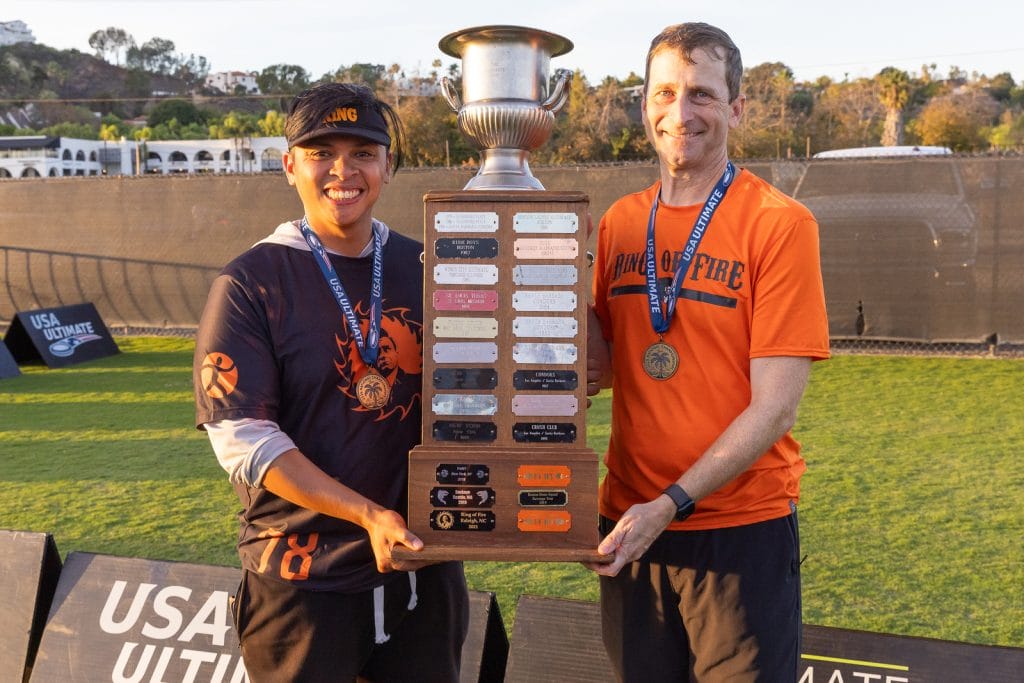
Champions tend to be much more likely in retrospect. They were always made of championship material, goes the common wisdom, perhaps they were even secretly always the best team. Such thinking, natural though it is, smooths away a champion’s doubts and difficulties. No one can argue that they weren’t the best team.
It’s hard to feel that way about Ring of Fire, whose three-day reign as the greatest collection of talent in the division three weeks later still retains its air of utter improbability. One continues to ask in quiet moments, How did they do it?
Ring were a team transformed at Nationals. They were suddenly crisp (as demonstrated by the relentless deep attacks from so many different players) and controlling (as demonstrated by the sheer cleanness of their possessions in the bracket) and demanding (as demonstrated by the run of blocks they generated throughout the tournament) and resolute (as demonstrated by their refusal to buckle when trailing Machine in pool play). They were innovative in a weird way, too. When else have you seen a team so patient that for large stretches of offensive possessions deep into the bracket it seemed as if they simply did not care a fig about making forward progress?
That extreme patience was their ultimate genius: the serenity to know that no defensive scheme could possibly keep its shape forever, to know that the wide-open single-coverage huck would have to open up if they kept at it. It was a patience born equally of strategy and trust, qualities that come (as they have for years through the famously dense and regenerative Triangle-area coaching tree) from clear vision and understanding at the top.
– Edward Stephens
First Runner-Up
Raj Maitra, Greg Cousins, Colin Berry, Adam Rothman (Minneapolis Sub Zero)
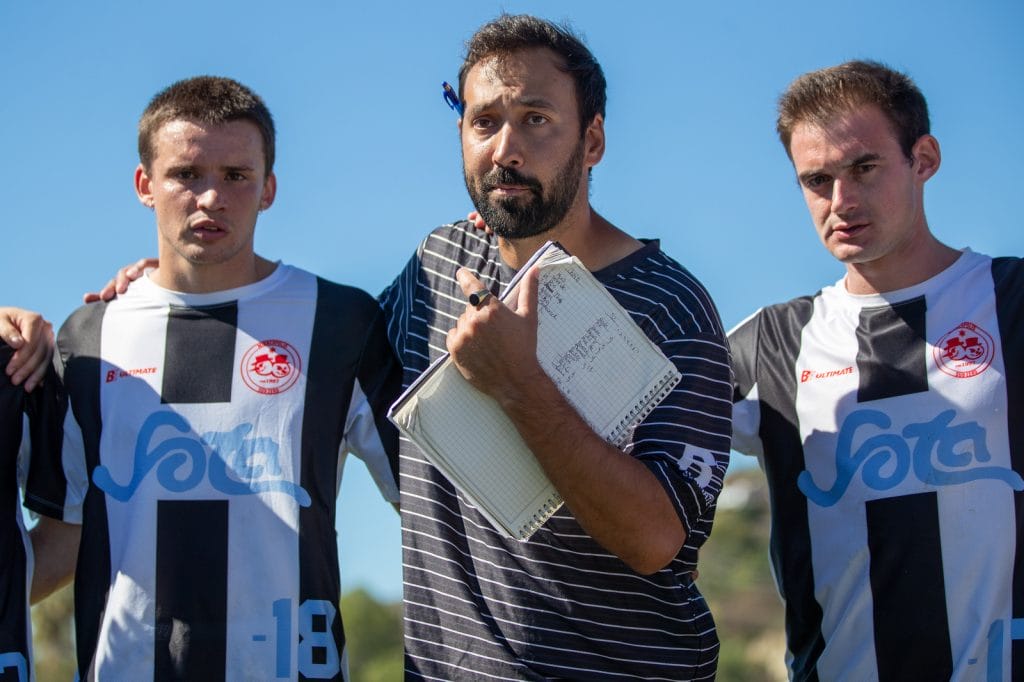
Gregory Cousins and Raj Maitra have been at the helm of Sub Zero as the program rebuilt from the talent outflow at the turn of the decade that saw them miss Nationals in 2022. Prioritizing young talent and giving players the freedom to play an expressive style has taken Sub back into the Pro Flight and within touching distance of a first semis appearance this century. It’s easy to see exciting young players like Micah Davis, Noah Hanson, and (especially) Nate De Morgan racking up stats and think that just happens, but Cousins and Maitra have installed principles of spacing and pace that keep a world of options available to their young stars.
– Patrick Stegemoeller
Second Runner-Up
Mark Poole (Atlanta Chain Lightning)
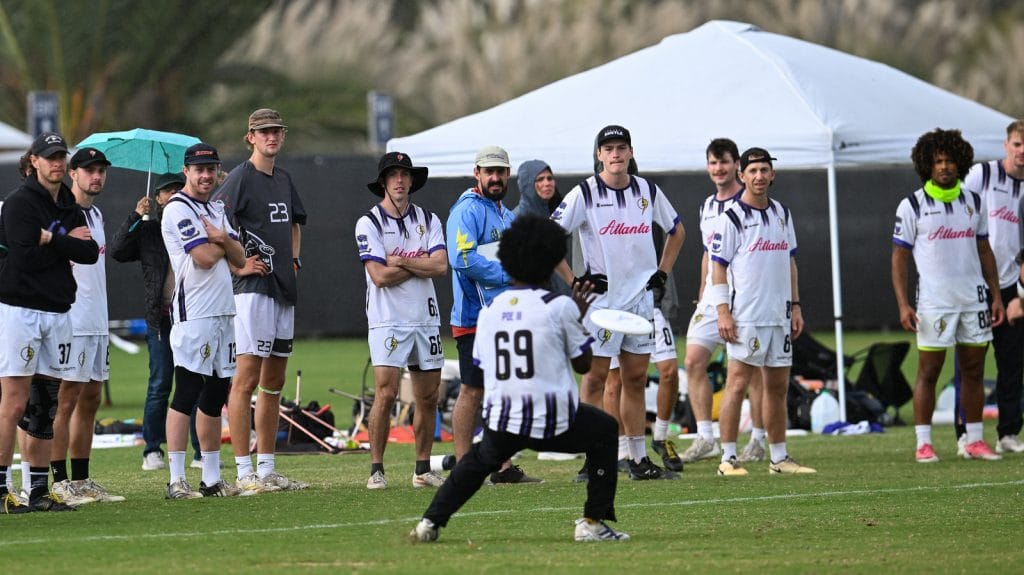
Returning just 12 members and losing a legacy head coach, Atlanta Chain Lightning found themselves seeking a new identity, and found it in the leadership of Mark Poole. Beginning the postseason with a thriller over future National Champions Ring of Fire to take the Southeast region, no momentum was lost heading to the Club Championships. Playing four games to double game point, Chain showed they could hang with the best, utilizing rookies like Stefan McCall and Will Selfridge alongside veterans Adam Miller and Nick Spiva to a highly effective degree. Strategically maximizing the youth core of cutters with a steady backfield of experience led to a symphony of impressive plays and complete offense that is sure to define Chain Lightning teams to come.
– Nate Knowles